
How to Introduce Dogs to Each Other: A Safe Step-by-Step Plan
Learn how to introduce dogs safely: neutral ground, the parallel walk, home setup, puppy tips, warning signs, and a realistic timeline from a Brandon daycare.
Summarize with AI
On this page 11 sections
- How do you introduce two dogs safely?
- What should you do before the dogs meet?
- Why does a dog first meeting on neutral territory matter?
- How to introduce dogs on a walk: the parallel walk method
- What happens when you bring the new dog home?
- Introducing a puppy to an older dog: what changes?
- Introducing dogs: signs of aggression and when to stop
- How long for dogs to get along?
- How I handle introductions in daycare playgroups
- Frequently asked questions about introducing dogs
- The bottom line
What you need to know:
- Meet on neutral territory, never inside the resident dog’s home or yard first.
- Use one handler per dog and a loose 6-foot leash, never a retractable one.
- Start with a parallel walk 20 to 30 feet apart, then close the gap slowly.
- Keep the first sniff to a few seconds, then walk on together.
- Pick up food, chews, and toys at home for the first few weeks.
- Many dogs settle in weeks, but some need months.
Knowing how to introduce dogs is the difference between a lifelong friendship and a house full of baby gates. The short version: go slow, go neutral, and let the dogs set the pace.
I run The Dog Patch dog daycare in Brandon, FL, and every new dog here gets introduced before it joins a group. The meetings that go wrong almost always go wrong in the first two minutes.
How do you introduce two dogs safely?
Here’s how to introduce two dogs safely: meet on neutral ground with one handler per dog, walk them parallel at a distance, close the gap only while both stay relaxed, allow a brief sniff, then walk on together. Repeat over several sessions before the dogs share a home.
| Stage | Where | Move on when |
|---|---|---|
| 1. Prep | Home | Bowls, chews, and toys are put away |
| 2. Parallel walk | Neutral park or street | Both dogs sniff the ground and check in with you |
| 3. Brief greeting | Neutral ground | Bodies stay loose after a short sniff |
| 4. Home entry | Yard, then house | No stiffening after 10 to 15 minutes |
| 5. Managed weeks | Home | No tense moments for at least a week |
What should you do before the dogs meet?
Prep work decides most introductions before the leashes come out. Start with an honest look at dog compatibility.
- Energy and play style: a wrestler and a gentle chaser can be friends, but they need more breaks.
- History: if either dog has fought before, the ASPCA advises seeing a veterinary behaviorist or certified trainer first.
- Size: a 90-pound Lab can hurt a Yorkie by accident in play.
Then gather a second calm person, two flat 6-foot leashes, escape-proof collars, and small, high-value treats like chicken or cheese.
Why does a dog first meeting on neutral territory matter?
Neutral territory for dogs is any place neither dog lives in or visits often: a quiet park, a friend’s large yard, or an unfamiliar side street. It removes the “this is mine” feeling that makes a resident dog defensive.
Think of it like meeting a future roommate at a coffee shop before they move in. Nobody feels like a guest, and nobody feels invaded.
My honest opinion: skip the dog park for a dog first meeting on neutral territory. Good dog park etiquette is a skill both dogs need first, and a crowded gate is the opposite of neutral.
How to introduce dogs on a walk: the parallel walk method
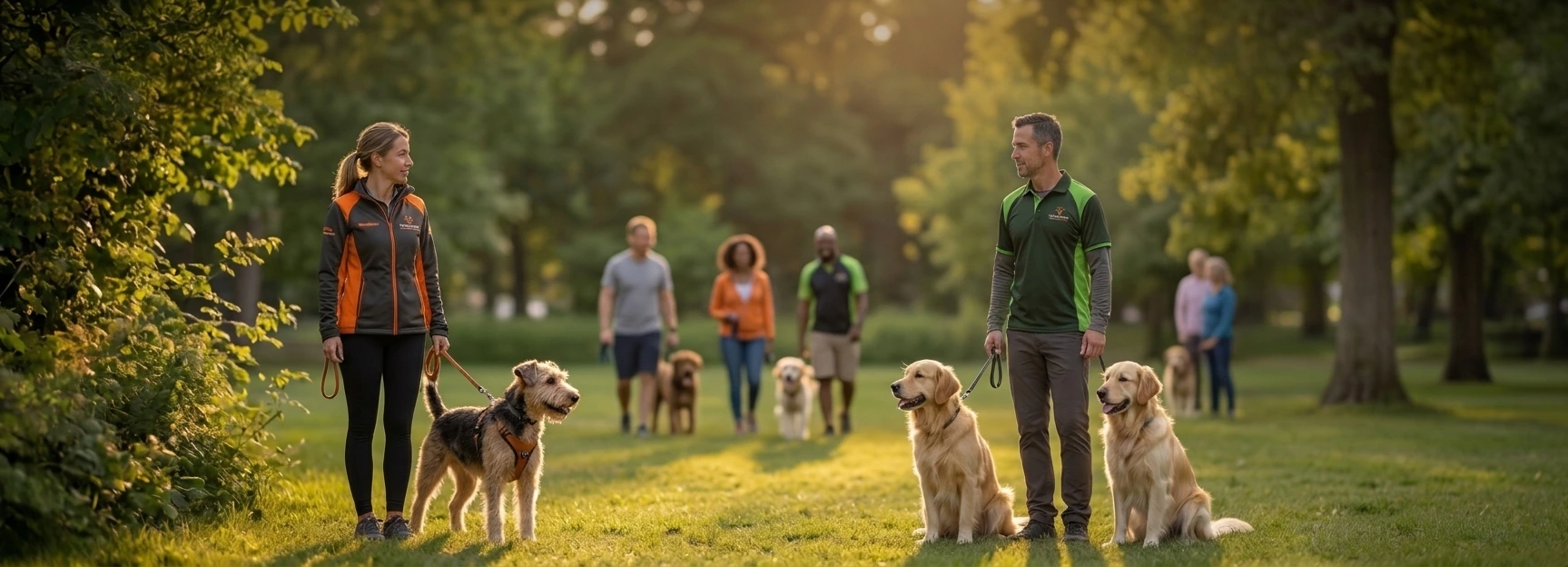
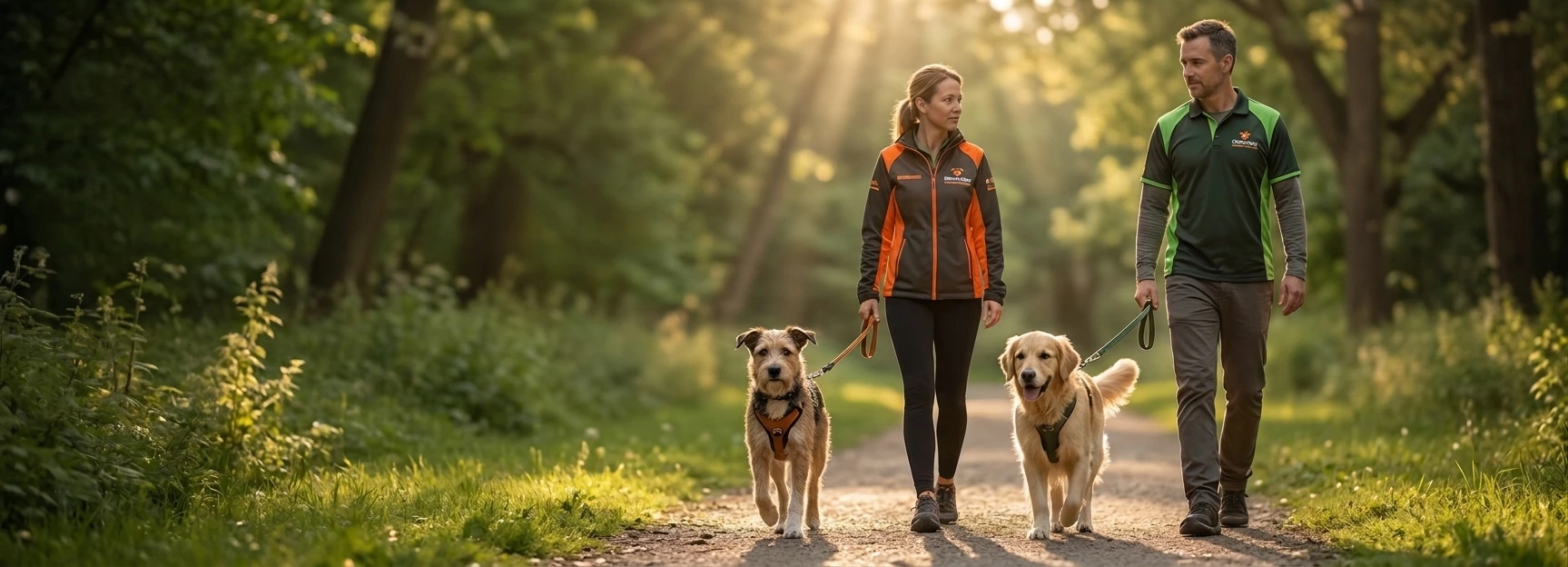
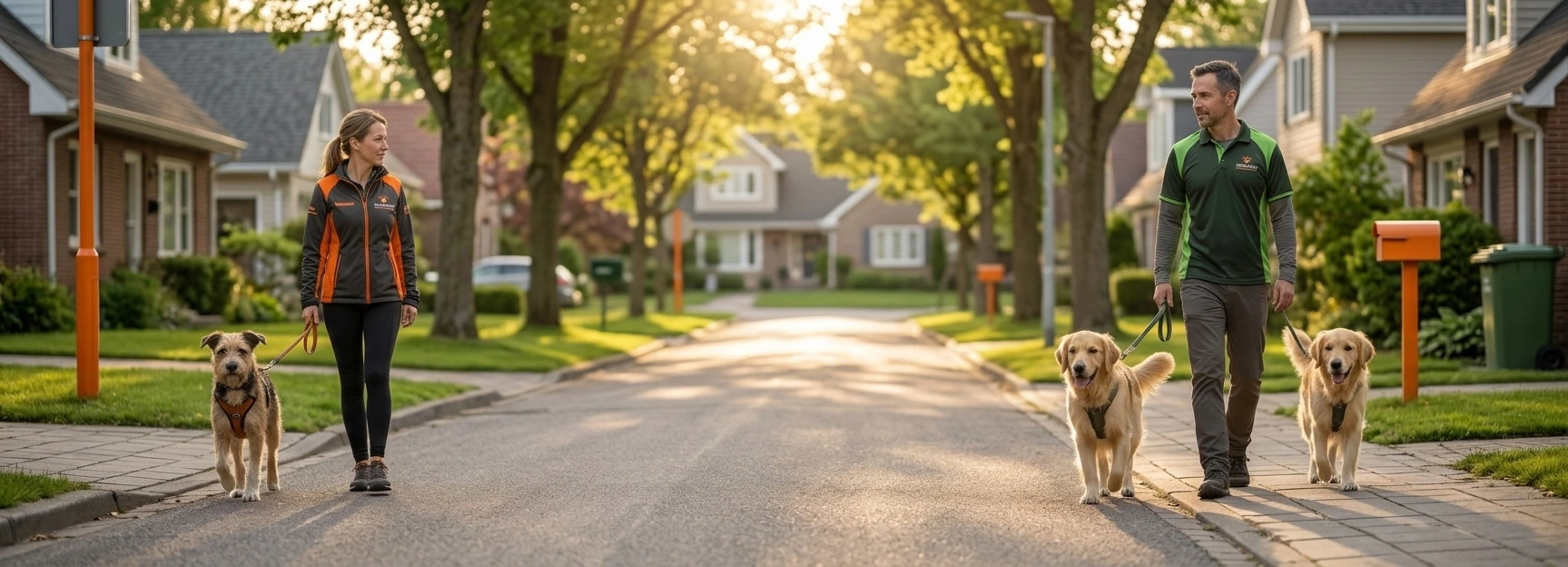
A parallel walk is the gold standard for a dog introduction on leash. Two handlers walk the dogs in the same direction, side by side but far apart, so the dogs notice each other without facing off.
A face-to-face greeting is like an interview across a desk. Walking side by side is more like two coworkers chatting at the coffee machine.
Here’s how to introduce dogs on a walk:
- Start wide. Best Friends Animal Society suggests about 20 feet apart, and PetMD recommends at least 30.
- Reward calm glances. When a dog looks at the other dog, then back at you, give a treat.
- Swap sides. Let each dog sniff where the other walked.
- Close the gap slowly. Move closer only while both dogs stay loose.
- Allow a short greeting. A few seconds of sniffing, then walk on cheerfully.
- Repeat. Expect one long walk or several short ones.
Keep the leash loose throughout. A tight leash can make a curious dog look stiff and confrontational.
What happens when you bring the new dog home?
Walk home together after a good session. Let the dogs spend time in the yard, then bring the new dog inside on leash to explore before the resident dog joins.
Expect resource guarding in dogs during the first weeks, even if you’ve never seen it. Resource guarding is when a dog stiffens, growls, or snaps to protect food, chews, toys, beds, or a person. It works like a shared fridge: give each dog its own shelf and arguments rarely start.
- Feed in separate rooms or crates.
- Give long-lasting chews only when the dogs are apart.
- Separate the dogs whenever you can’t supervise.
- Give each dog one-on-one time daily.
For adopted dogs, the shelter BARCS asks families to keep dogs apart for a two-week acclimation period. BARCS says most returns from multi-dog homes happen when people skip it.
Introducing a puppy to an older dog: what changes?
Introducing a puppy to an older dog uses the same steps, with shorter sessions and more breaks. Puppies don’t read social cues well yet, so they climb and pester without noticing the older dog’s polite “enough.”
- Never hold the puppy up to the older dog. It traps the puppy.
- Allow a fair growl. A brief growl is the adult teaching manners. Interrupt anything harder.
- Protect the senior’s rest with a gate the older dog can retreat behind.
- Check vaccines first and ask your vet when the puppy can meet unknown dogs.
My guide on how to socialize a puppy step by step covers the weeks around this meeting.
Introducing dogs: signs of aggression and when to stop
When introducing dogs, signs of aggression start small: a frozen body, a hard stare, a closed mouth, raised hackles, or a high, stiff tail. Add distance the moment you see them.
A good meeting looks loose and wiggly, with play bows and frequent breaks. For every signal, see my full guide to reading dog body language.
Stop and call a professional if you see repeated dog aggression signs:
- Lunging or barking on leash at the other dog
- Growling with a stiff body, again and again
- Pinning, nonstop chasing, or a dog trying to escape
- Any fight, even a short one
Don’t let dogs “work it out.” The ASPCA warns that a fight left to run can set the tone for the whole relationship.
How long for dogs to get along?
How long for dogs to get along depends on age, temperament, and how the first meetings went. Many pairs are comfortable within a few weeks, but full trust can take months.
| Timeframe | What’s normal |
|---|---|
| First meeting | Curiosity, sniffing, some posturing |
| First week | Short supervised time, separate meals |
| Weeks 2 to 4 | Relaxed lounging, first real play |
| Months 2 to 6 | Shared routines, less supervision |
| Up to a year | A new dog still settling in |
Applied animal behaviorist Patricia McConnell writes that it can take up to a year for a new dog to settle into a household. Patricia McConnell also cautions that first greetings often don’t predict how dogs will live together.
So don’t panic over one awkward meeting, and don’t relax after one great one. Watch the trend.
How I handle introductions in daycare playgroups
Every dog at The Dog Patch starts with a Playgroup Compatibility Evaluation before joining a dog playgroup. My team introduces the newcomer to one calm, dog-savvy dog first, then adds dogs gradually, grouped by size and temperament.
It’s the same plan you’d use at home, just with trained eyes. My post on daycare safety protocols explains how groups are supervised.
At home I live with three very active Labradoodles, Kylie, Kody, and Katie, and I still meet every visiting dog outside first.
Curious how your dog would do? Book a Playgroup Compatibility Evaluation in Brandon.
Frequently asked questions about introducing dogs
Should dogs meet on or off leash the first time?
On a loose leash, with one handler per dog. Leashes let you add distance fast if either dog stiffens or stares. Once both dogs stay relaxed through short greetings, you can let the leashes drag in a fenced area so the dogs move naturally. Pick them back up the moment play gets tense.
Can I introduce two dogs in my house?
You can, but a house is the hardest place to start because the resident dog may guard its space. Use a gate or exercise pen first so the dogs can see and smell each other without contact. Remove food and toys, keep both dogs leashed, and keep the first face-to-face meeting very short.
How do I introduce a new dog to my dog if one is reactive?
Slow everything down and add distance. Reactive dogs often need far more than 30 feet, a barrier, or a trainer guiding the plan. Best Friends Animal Society advises against standard on-leash greetings for dogs that bark or lunge on leash or behind fences. A muzzle trained with treats adds safety.
Is it normal for my older dog to growl at the new puppy?
Yes, within limits. A short growl or lip lift is an older dog setting a boundary, and puppies need those lessons. It’s a problem if it turns into pinning, bites that leave marks, or an older dog who hides all day. Give the senior puppy-free breaks and interrupt rough play early.
What if my dogs still don’t get along after a month?
A month isn’t a deadline, but it is a checkpoint. If tension is growing instead of fading, separate the dogs fully with gates and crates and book a certified behavior professional. Some dogs are happiest as an only dog, and that’s not failure. It’s knowing your dogs.
The bottom line
How to introduce dogs comes down to three words: neutral, slow, short. Meet away from home, walk before you greet, and manage resources for the first few weeks.
One honest limit: this plan suits social dogs. Dogs with a fight history or strong reactivity deserve a professional plan.
If you’re near Brandon, Riverview, or the South Shore, learn more about The Dog Patch.
Share this article

From the blog
Keep reading
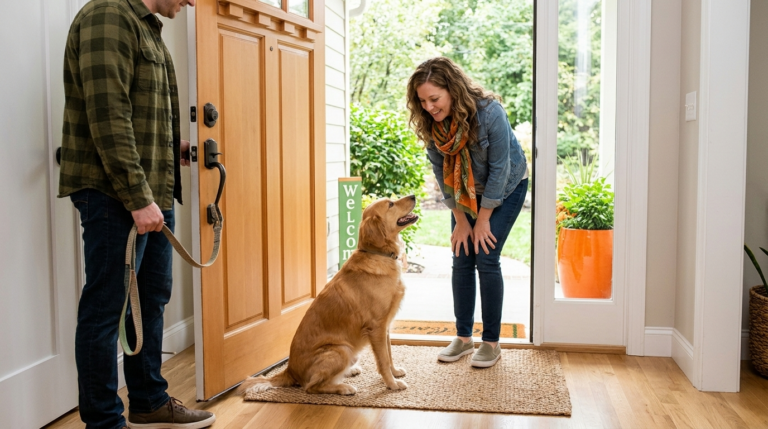
How to Stop a Dog From Jumping on People (Without Yelling or Kneeing)
What You Need To Know Short answer: To stop a dog from jumping on people, stop rewarding the jump with attention, teach…
Dog Body Language: What Your Dog Is Trying to Tell You
Learn dog body language: tail wags, ear positions, whale eye, calming signals, and stress signs, plus a free chart. From a Brandon,…

How to Socialize a Puppy: A Step-by-Step Guide
What You Need to Know Puppy socialization means giving your puppy safe, positive experiences with people, dogs, sounds, surfaces, and handling while…