
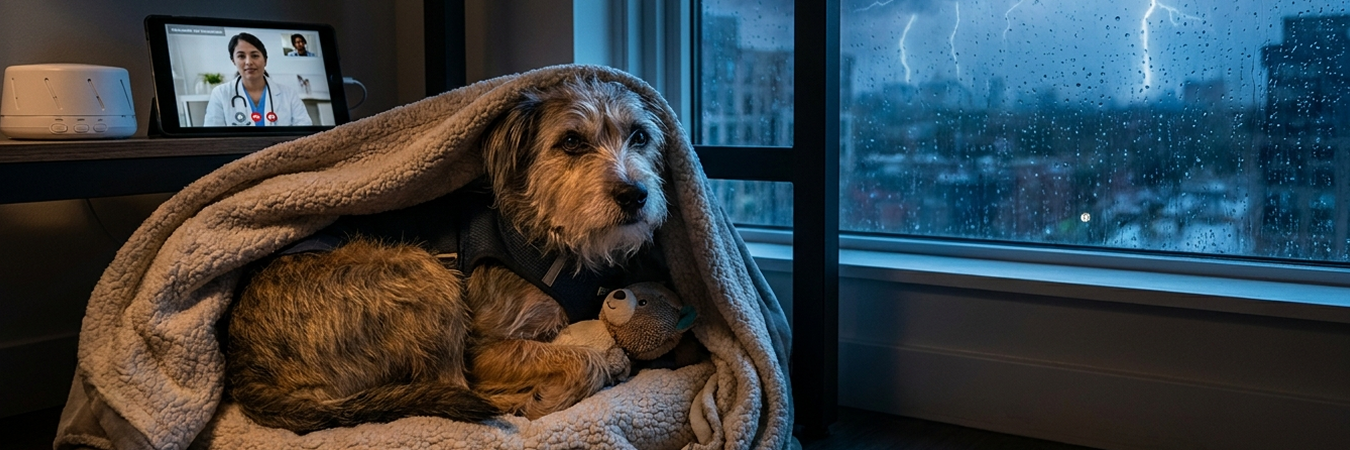
Dog Afraid of Thunderstorms? How to Calm Storm Anxiety in Dogs
Summarize with AI
On this page 10 sections
- Why Is Your Dog Afraid of Thunderstorms?
- Signs Your Dog Is Scared of Thunder
- How to Calm a Dog Afraid of Thunderstorms
- What Not to Do When Your Dog Is Afraid of Thunderstorms
- How Florida Pet Owners Can Prepare for Thunderstorm Season
- Can Dog Daycare or Boarding Help a Dog Afraid of Thunderstorms?
- A Practical Example From The Dog Patch
- When Should You Seek Professional Help?
- Conclusion: Help Your Dog Feel Safer During Every Storm
- Frequently Asked Questions
Florida weather can change quickly, bringing dark skies, heavy rain, strong winds, lightning, and loud thunder. While some dogs remain relaxed during a storm, others may tremble, hide, bark, pace around the house, or look for a way to escape. For pet parents, watching a beloved dog become frightened can be upsetting, especially when the storm lasts for hours.
If you have a dog afraid of thunderstorms, you are not alone. Thunderstorm fear is a common canine behavior concern, and the sounds, flashes of lightning, and environmental changes associated with storms may trigger anxiety. Some dogs show mild nervousness, while others experience intense panic that affects their safety and comfort.
The good news is that thoughtful preparation, a safe indoor environment, positive training, and veterinary guidance can help many dogs cope better with storms. Although every dog responds differently, understanding your pet’s triggers is an important first step.
In this guide, we will explore why dogs fear thunderstorms, the signs to watch for, practical ways to calm a frightened dog, and when professional help may be necessary.
Why Is Your Dog Afraid of Thunderstorms?
Dogs can develop a fear of thunderstorms for several reasons. The fear is not always caused by thunder alone. Storms bring together several unfamiliar sensations that can make a dog feel unsafe.
Understanding these triggers helps you choose the right approach instead of trying random calming methods.
1. Loud and Unpredictable Thunder
Thunder can be sudden, powerful, and difficult to predict. Unlike familiar household sounds, thunder may shake windows or make the entire house seem to vibrate. A dog that is sensitive to loud noises may react by barking, trembling, hiding, or attempting to flee.
Repeated exposure to frightening storms may also strengthen a dog’s fear if the animal never learns to feel safe during the experience.
2. Lightning and Sudden Changes in Light
Lightning can produce bright flashes that startle dogs, particularly when they are near windows or in rooms with little covering. Some dogs react to the combination of flashing light and thunder rather than to either trigger separately.
Closing curtains and moving your dog to an interior room can help reduce exposure to these visual and sound triggers.
3. Changes in Weather Before the Storm
Some dogs become anxious before their owners notice an approaching storm. Changes in wind, atmospheric pressure, rain, and other environmental cues may contribute to their reactions.
You might notice your dog pacing, following you around, panting, or refusing to settle while the sky is still relatively clear. These early signs can help you prepare a safe environment before the thunder becomes intense.
4. Previous Frightening Experiences
A dog that has experienced an especially loud storm may begin associating dark skies, heavy rain, or distant thunder with danger. In some cases, fear can develop later in life, even if the dog previously seemed comfortable during storms.
If your dog’s fear begins suddenly or becomes noticeably worse, schedule a veterinary checkup. Pain, illness, age-related changes, or other health concerns can sometimes contribute to new behavioral changes.
Signs Your Dog Is Scared of Thunder
Not every frightened dog reacts in the same way. Some dogs show obvious distress, while others display subtle changes in their behavior.
Watch for these common signs:
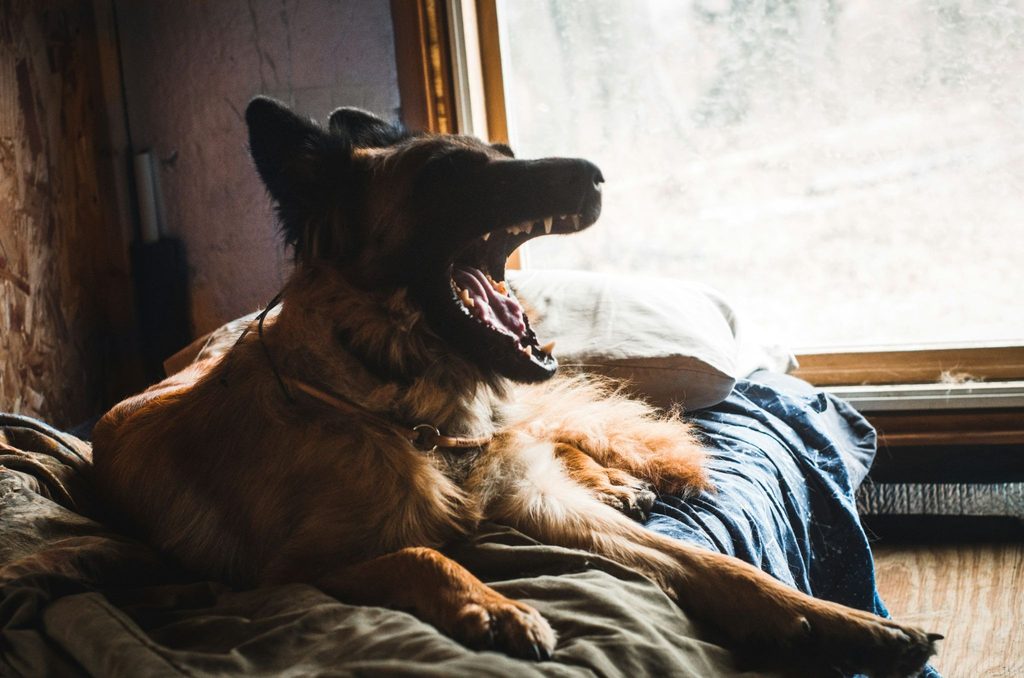
- Trembling or shaking: Your dog may shake even when the room is warm.
- Excessive panting: Rapid breathing can occur even without exercise.
- Pacing and restlessness: Your dog may walk around repeatedly and struggle to settle.
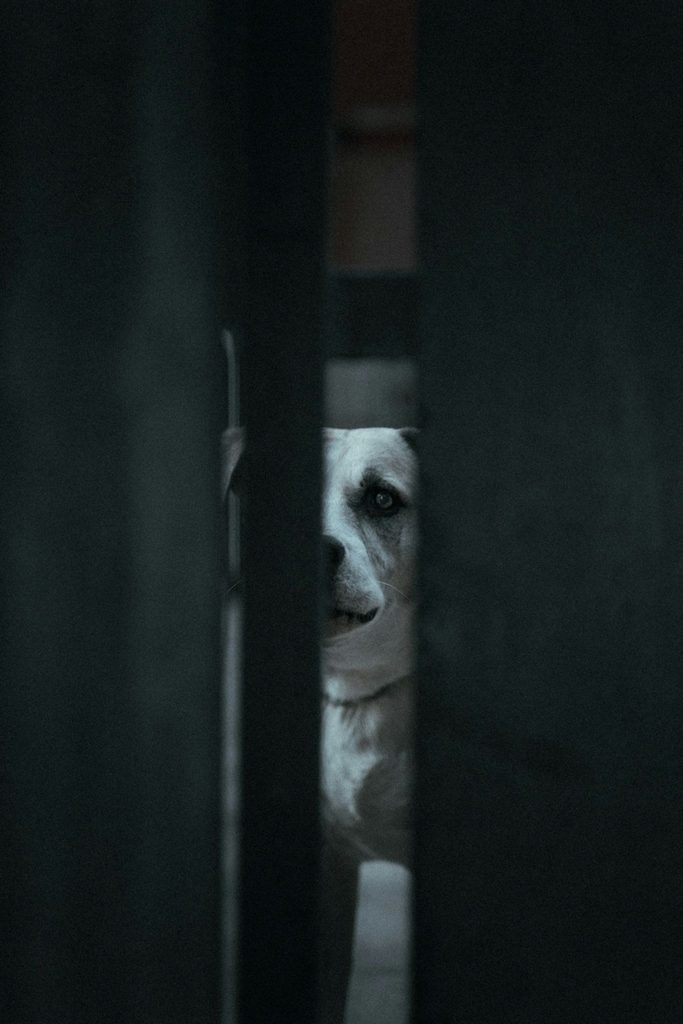
- Hiding: Your pet may crawl under a bed, behind furniture, or into a closet.
- Whining or barking: Some dogs vocalize when they hear thunder.
- Clinginess: Your dog may stay close to you or repeatedly seek physical contact.
- Drooling: Stress can cause excessive salivation.
- Destructive behavior: A panicked dog may scratch doors, chew furniture, or damage a crate while trying to escape.
- Refusing food: A frightened dog may lose interest in treats or meals.
- Accidents indoors: Severe distress can sometimes lead to unexpected urination or defecation.
These behaviors should not be treated as stubbornness or disobedience. Fear is an emotional response, and punishment can make a frightening experience even more stressful.
If your dog repeatedly injures itself, attempts dangerous escapes, struggles to breathe normally, or experiences severe distress, seek veterinary advice promptly. Difficulty breathing, collapse, or serious injury warrants urgent veterinary care.
How to Calm a Dog Afraid of Thunderstorms
There is no single method that works for every dog. Some pets respond well to a quiet room and comforting company, while others need a structured behavior plan and veterinary treatment.
Try the following practical steps to help your dog feel safer.
1. Create a Safe and Comfortable Space
One of the most useful steps is to give your dog a familiar place to retreat when a storm begins.
Choose an interior room, hallway, or other secure area away from windows and exterior doors. Add your dog’s regular bed, familiar blankets, and favorite toys. Keep the space comfortable and free from objects that could fall or cause injury.
If your dog already feels safe in a crate, you can make it available as another option. However, do not force a panicked dog into a crate, particularly if the dog scratches, bites, or throws itself against the enclosure while trying to escape.
Allow your pet to choose where it feels most comfortable whenever possible.
2. Reduce Thunder and Lightning Exposure
You may not be able to stop the thunder, but you can reduce how strongly your dog experiences it indoors.
Close windows and curtains to help limit outside noise and flashes of lightning. Turn on a fan, television, or soft music at a comfortable volume to provide consistent background sound.
Avoid making the environment excessively loud. The goal is to create a steady, familiar atmosphere rather than introduce more noise.
For Florida pet owners, checking the local weather forecast can also be helpful. If thunderstorms are expected, prepare the safe room before the weather becomes severe.
3. Stay Calm and Offer Reassurance
Dogs often look to their owners for cues about unfamiliar situations. Speak in a gentle voice and maintain a relaxed routine as much as possible.
If your dog approaches you for comfort, it is generally fine to offer calm petting, gentle reassurance, or a familiar cue that the dog already understands. You do not need to ignore a frightened pet out of concern that comfort will reward fear.
At the same time, avoid restraining your dog or forcing physical contact if it wants space. Let your pet decide whether it prefers to sit beside you, rest in its safe space, or hide in a familiar location.
Your goal is to help your dog feel secure without adding pressure.
4. Offer Treats or Familiar Activities
Food-based activities can help some dogs redirect their attention during mild storm anxiety.
If your dog is still willing to eat, try offering a favorite treat, a suitable food puzzle, or a stuffed food toy. You can also offer a familiar toy or practice an easy behavior your dog already knows.
Pay attention to your pet’s response. If your dog refuses food, pants heavily, or cannot focus, it may be too frightened for these activities to help at that moment.
Do not force play or training. Safety and comfort should come first.
5. Keep Your Dog Indoors and Prevent Escape
A frightened dog may bolt through an open door or attempt to jump a fence. Even a dog that normally responds to recall commands may behave unpredictably during a severe storm.
Before the storm arrives:
- Complete outdoor bathroom breaks while conditions are safe.
- Keep doors, windows, and gates securely closed.
- Check that your dog’s collar identification is current.
- Make sure your dog has a registered microchip, if applicable.
- Keep your pet away from glass doors and windows during intense weather.
If your dog must go outside for a bathroom break during a lull, use a secure leash and remain with your pet. Never leave a frightened dog unattended in an exposed outdoor area during a thunderstorm.
6. Consider a Calming Vest or Other Support
Some dogs may benefit from a properly fitted anxiety wrap or veterinarian-recommended calming aid. However, these products do not work equally well for every pet, and they should not be considered a guaranteed solution.
Introduce any wearable product during a calm period so your dog can become comfortable with it before the next storm. Remove it if your dog seems uncomfortable or becomes more distressed.
Ask your veterinarian before using calming supplements, pheromone products, or other anxiety-related treatments, especially if your dog has existing health conditions or takes medication.
Never give your dog human medication, sleeping pills, or sedatives unless a veterinarian has specifically instructed you to do so. The appropriate treatment depends on the dog’s health, the severity of the fear, and the particular medication.
7. Build Positive Associations Before Storm Season
Helping a dog become more comfortable with storms often requires preparation outside the actual storm event.
One behavior technique is called desensitization and counterconditioning. Desensitization involves introducing a trigger at a low enough intensity that the dog remains comfortable. Counterconditioning pairs that trigger with something positive, such as a favorite treat.
For example, you might play a recording of distant thunder at a barely audible volume while your relaxed dog enjoys a treat. Over multiple sessions, you can gradually adjust the volume if your dog remains comfortable.
Keep sessions short and positive. If your dog starts panting, hiding, refusing treats, or showing other signs of fear, reduce the intensity or stop the session.
Do not play loud storm recordings to force your dog to get used to thunder. Overwhelming exposure can make fear worse. Severe storm phobias may require a personalized plan from a qualified veterinary behaviorist or experienced professional working with your veterinarian.
8. Speak With Your Veterinarian About Severe Storm Anxiety
If your dog experiences intense panic every time a storm arrives, home adjustments alone may not be enough.
Your veterinarian can assess your dog’s health, evaluate the severity of the behavior, and discuss treatment options. Depending on the situation, the plan may include behavior modification, environmental changes, and prescription anti-anxiety medication.
If medication is prescribed, follow the veterinarian’s directions carefully. Ask when it should be administered and whether it should be tested on a calm day before the next storm.
Seek help early rather than waiting for your dog to injure itself or develop increasingly severe reactions.
What Not to Do When Your Dog Is Afraid of Thunderstorms
Well-intentioned responses can sometimes make a stressful situation harder for your pet. Avoid these common mistakes.
Do not punish fearful behavior. Barking, hiding, trembling, and pacing may be signs of distress rather than deliberate misbehavior.
Do not force your dog to face the storm. Taking a frightened pet outside or making it sit beside a window to watch lightning can increase its fear.
Do not trap your dog in an unfamiliar crate. A panicking dog may injure itself while trying to escape.
Do not leave your dog outside during severe weather. Storms create risks from lightning, falling branches, flooding, and escape attempts.
Do not assume every calming product is safe. Ask a veterinarian before giving medication or supplements.
Do not expect immediate improvement. Some dogs respond to environmental changes quickly, while others need weeks or months of consistent behavior work and professional guidance.
Patience is important. A successful plan focuses on reducing distress and improving safety, not forcing a dog to behave as though it is unafraid.
How Florida Pet Owners Can Prepare for Thunderstorm Season
Florida’s weather can bring frequent afternoon storms, tropical systems, and periods of heavy rain. Preparing your dog before severe weather arrives can make storm days easier to manage.
Consider creating a simple storm preparation routine.
- Check the forecast: Watch for thunderstorms and severe weather alerts so you have time to prepare.
- Plan bathroom breaks early: Take your dog outside while conditions are safe and use a leash.
- Prepare the safe room: Keep bedding, water, familiar toys, and other appropriate comfort items ready.
- Keep essential supplies accessible: Have your dog’s identification details, veterinary contact information, and prescribed medication instructions available.
- Maintain a familiar routine: Keep feeding, rest, and other daily activities as consistent as possible.
- Know when to seek help: Discuss recurring fear with your veterinarian before the next major storm.
For dogs that experience severe anxiety, make a plan for who will stay with them and how they will remain safe if you must leave home. Do not assume that a boarding facility, daycare, or other unfamiliar environment will automatically make a frightened dog feel better.
Can Dog Daycare or Boarding Help a Dog Afraid of Thunderstorms?
Dog daycare and boarding provide different forms of care, but neither is a direct treatment for thunderstorm anxiety. Whether either service is appropriate depends on your dog’s individual needs, the facility’s procedures, and the weather conditions.
Understanding the Role of a Dog Daycare Service
A dog daycare service provides supervised daytime care, opportunities for suitable social interaction, enrichment, and rest. For dogs that enjoy structured activities, a regular daycare routine can be part of an enjoyable weekly schedule.
However, daycare should not be used as a way to expose a storm-fearing dog to frightening situations. If a thunderstorm is approaching, consider whether your dog would be more comfortable in a familiar, quiet environment with a trusted caregiver.
Before arranging care during storm season, ask about severe-weather procedures, supervision, secure indoor spaces, and how staff respond if a dog becomes distressed.
When to Consider a Dog Boarding Service
A dog boarding service may be useful when you need overnight care or must travel during storm season. The important consideration is whether the facility can meet your dog’s specific comfort and safety needs.
Discuss your dog’s storm reactions with the facility before booking. Explain whether your pet hides, shakes, attempts to escape, or needs medication prescribed by a veterinarian. Ask how staff handle thunderstorms and whether they can follow your dog’s established care instructions.
For some dogs, staying with a familiar caregiver at home may be the better option, particularly if unfamiliar surroundings increase their distress.
How Other Dog Care Services Fit In
Services such as a dog grooming service, mobile dog grooming in Brandon, FL, and a dog shuttle service in Brandon, FL support other aspects of pet care and daily convenience. They should not be presented as treatments for storm anxiety.
If your dog is already frightened by thunder, avoid unnecessary travel or grooming appointments during severe weather. Schedule routine services when conditions are safe and your dog is likely to feel comfortable.
The best choice is the one that supports your dog’s individual needs rather than adding extra activity during a stressful event.
A Practical Example From The Dog Patch
Consider a hypothetical Brandon pet owner whose dog starts pacing, panting, and hiding whenever afternoon thunderstorms roll through Florida.
Instead of waiting until the thunder begins, the owner checks the forecast each morning. When a storm is expected, they arrange an earlier bathroom break, close the curtains, prepare the dog’s familiar resting area, and keep a favorite food toy nearby.
During the storm, the owner allows the dog to choose a comfortable hiding place and offers reassurance without forcing interaction. Because the dog continues to show intense fear during repeated storms, the owner also schedules a veterinary appointment to discuss a behavior plan and possible treatment.
The owner contacts The Dog Patch to discuss the dog’s usual daycare routine and ask about care arrangements and severe-weather procedures before making any booking decisions.
This example illustrates an important principle: a dog’s storm-related needs should guide the care plan. Daycare or boarding may fit into a broader routine, but neither replaces a safe environment, individualized support, or veterinary care when anxiety is severe.
The Dog Patch offers dog daycare, dog boarding, grooming, mobile grooming, and shuttle services in the Brandon, Florida area. Pet parents can explore the relevant services and discuss their dog’s needs before deciding which arrangement is appropriate.
When Should You Seek Professional Help?
Occasional nervousness during a thunderstorm may improve with a safe space, reassurance, and preparation. However, repeated or severe reactions deserve professional attention.
Speak with your veterinarian if your dog:
- Becomes increasingly frightened with each storm.
- Pants, trembles, or paces for prolonged periods.
- Damages doors, windows, crates, or furniture while trying to escape.
- Refuses food or cannot settle even in a familiar environment.
- Remains distressed long after the storm has passed.
- Develops a sudden fear of thunderstorms without an obvious explanation.
Your veterinarian can help determine whether an underlying medical issue is contributing to the behavior and whether a veterinary behaviorist should be involved.
With a suitable treatment plan, many dogs can learn to cope with storms more comfortably. The goal may not be to eliminate every sign of fear, but to reduce distress, prevent injury, and help your pet feel safer.
Conclusion: Help Your Dog Feel Safer During Every Storm
Having a dog afraid of thunderstorms can be challenging, particularly when Florida’s weather changes with little warning. Recognizing early signs of fear, preparing a quiet and secure space, offering gentle reassurance, and preventing escape attempts are practical steps every pet parent can take.
For recurring anxiety, gradual positive training and guidance from a veterinarian can provide additional support. Avoid punishment, forced exposure, and unapproved medications, and remember that every dog has different needs.
If you are a pet parent in Brandon, FL, The Dog Patch can help you explore available daycare, boarding, grooming, mobile grooming, and shuttle services as part of your dog’s broader care routine. Discuss your dog’s storm-related needs before booking so you can choose the most appropriate arrangement.
With patience, preparation, and the right professional support, you can help your dog navigate stormy days with greater comfort and safety.
Frequently Asked Questions
1. Why is my dog suddenly afraid of thunderstorms?
A dog may develop storm fear because of loud thunder, lightning, weather changes, or a previous frightening experience. If the fear starts suddenly, consult your veterinarian to check for possible medical or age-related factors.
2. How can I calm my dog during a thunderstorm?
Move your dog to a quiet, secure indoor space away from windows. Close the curtains, play soft background music, and offer gentle reassurance if your dog seeks comfort. Keep your pet indoors and prevent escape attempts.
3. Should I comfort my dog when it is scared of thunder?
Yes. Calm petting and gentle reassurance are generally appropriate when your dog seeks comfort. You will not spoil your dog simply by offering comfort. Avoid forcing physical contact if your pet prefers to hide or have space.
4. Can a dog overcome thunderstorm anxiety?
Many dogs can learn to manage their fear more comfortably with environmental changes, gradual desensitization, positive reinforcement, and veterinary guidance. Severe cases may require a tailored behavior plan and medication prescribed by a veterinarian.
5. Should I take my dog to daycare during a thunderstorm?
It depends on your dog’s comfort, the forecast, and the facility’s severe-weather procedures. Daycare is not a treatment for storm anxiety. Ask the facility about supervision, secure indoor spaces, and how staff handle frightened dogs before arranging care.
Share this article

From the blog
Keep reading

Dog Body Language: What Your Dog Is Trying to Tell You
Learn dog body language: tail wags, ear positions, whale eye, calming signals, and stress signs, plus a free chart. From a Brandon,…

How to Socialize a Puppy: A Step-by-Step Guide
What You Need to Know Puppy socialization means giving your puppy safe, positive experiences with people, dogs, sounds, surfaces, and handling while…

Florida Plants Toxic to Dogs: What Every Pet Owner Should Know
What you need to know: Florida plants toxic to dogs are not rare backyard oddities. They line driveways in Brandon, fill medians…